Land is taxed at its farm value only from 25 acres, and any new building needs a state permit for its well and septic first.
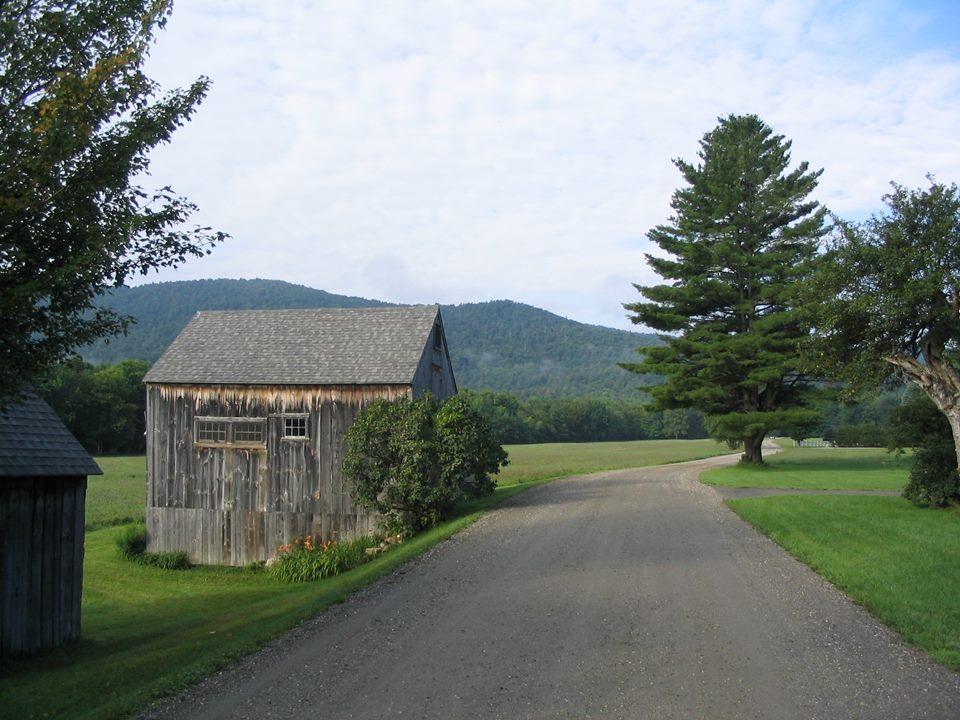

$4,490 an acre is the average for farm real estate here, against $4,500 nationally (NASS, 2026). Pasture averages $2,920.
Land sold for back taxes
A town can sell land for taxes only when $1,500 or more has been owed for over a year and the owner has been offered a written repayment plan. Up to a day before the sale, the owner can ask in writing that only a part that could be split off be sold. If no bid covers the taxes, the town can buy the land itself. The owner then has a year to redeem, by paying the sale price plus 1 percent a month; after that the collector gives the buyer a deed.
What to do: Tax sales are run town by town, so watch the town clerk's notices and the local paper. Expect most owners to redeem within the year, which returns your money with 1 percent a month.
Source: 32 V.S.A. §5252; 32 V.S.A. §5260; 32 V.S.A. §5261
Septic before you build
Before subdividing land, putting up any new building, or putting in or changing a well or septic system, you need a state Wastewater System and Potable Water Supply Permit, designed by a licensed designer. The one permit covers both the septic system and the well.
What to do: Search the state's permit records for the lot. Many towns issued their own permits before July 2007, so ask the town office too. Bare land with no permit needs one before anything can be built.
Source: 10 V.S.A. §1973; Vermont DEC, wastewater and water supply permit search
Being taxed as a farm
Under Current Use, farmland of 25 acres or more in active use, for hay, crops, pasture, orchard or sugaring, is taxed on its use value, not counting the house site. Under 25 acres it qualifies only with at least $2,000 of farm income in one of the last two years or three of the last five. Woodland qualifies at 25 acres with a forest management plan. Applications go to the Department of Taxes by September 1 of the year before. Developing enrolled land brings a land use change tax of 10 percent of its full market value.
What to do: Ask whether the land is enrolled, and price the 10 percent tax into any plan to build on enrolled ground.
Source: 32 V.S.A. §3752; 32 V.S.A. §3756; 32 V.S.A. §3757
Old well records
Licensed well drillers file a completion report within 90 days of finishing a well, giving its location, its depth and the rock and earth they drilled through, with a copy to the owner. The state's Well Completion Report Database is open to anyone.
What to do: Search the database by town for the nearest wells and how deep they had to go.
Source: 26 V.S.A. §5608; Vermont DEC, Well Completion Report Database
Laws change. Check the source before you rely on a date or a deadline, and ask the county office named, because local rules sit on top of these.
Vermont counties, cheapest farmland first
What farmland and its buildings were worth an acre in each of the 14 counties in the 2022 Census of Agriculture, with the median value of a home. These compare one county with another; they are not the price of any parcel.
| county | Farmland an acre | Median home |
|---|---|---|
| Essex County | $2,357 | $172,500 |
| Rutland County | $3,393 | $229,400 |
| Caledonia County | $3,395 | $227,900 |
| Lamoille County | $3,508 | $304,700 |
| Orleans County | $3,763 | $223,400 |
| Addison County | $3,832 | $361,200 |
| Franklin County | $3,906 | $306,700 |
| Bennington County | $4,177 | $279,900 |
| Orange County | $4,431 | $271,300 |
| Windsor County | $4,863 | $296,400 |
| Washington County | $5,057 | $315,000 |
| Windham County | $5,142 | $279,600 |
| Chittenden County | $6,230 | $439,200 |
| Grand Isle County | $7,445 | $394,100 |
Source: USDA, 2022 Census of Agriculture, Vermont county data; Census Bureau, ACS 2020–2024, table B25077