The state, not the county, auctions tax-delinquent land, and a well's water is not yours until the State Engineer is told.
.jpg)
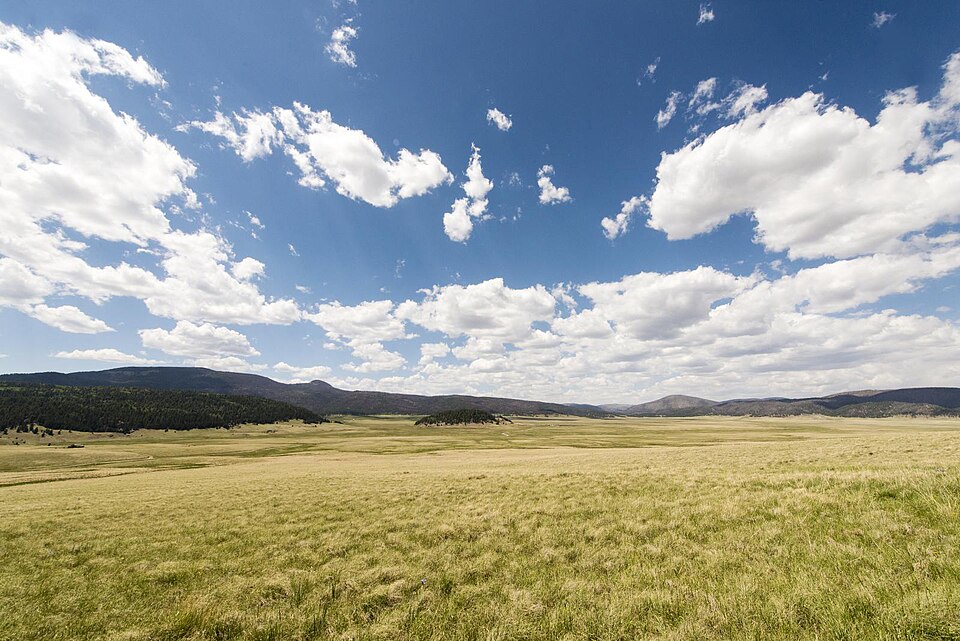
$735 an acre is the average for farm real estate here, against $4,500 nationally (NASS, 2026). Pasture averages $650.
Land sold for back taxes
Once taxes have been delinquent for three years, the Property Tax Division of the Taxation and Revenue Department can sell the land at public auction, county by county. The owner can stop the sale by paying everything by 5 p.m. the day before. Bidders pay in full before the auction ends, the state warrants no title, and the sale clears the tax lien but not other liens. The former owner has two years from the sale to challenge it in court.
What to do: Read the Division's auction schedule and each county's notice. Bidders may not go onto a listed parcel or disturb anyone living there, so look from the road and in the county records, and search the title for the liens the sale leaves behind.
Source: NMSA 1978 §§7-38-65, 7-38-70 (Taxation and Revenue Department compilation); Taxation and Revenue Department, Delinquent Property Tax Auctions
Septic before you build
The Environment Department permits septic systems before they are installed or changed. Before land with an existing system changes hands, the seller must have it evaluated, and the evaluator sends the report to the Department within 15 days. If it finds problems, whoever owns the land 15 days after the evaluation must apply for a permit to fix them.
What to do: Ask the seller for the transfer evaluation and read it before you close: if it finds a failed system, the repair can land on you. The Department will also search for the system's original permit on request.
Source: 20.7.3.902 NMAC; NMED, Property Transfer Evaluations
Being taxed as a farm
Land used mainly for agriculture is valued on its capacity to produce, not its market price. Bona fide farm use in the year before creates a presumption that it qualifies, and hunting does not count. The owner applies to the county assessor, under oath, within 30 days of the notice of valuation being mailed, and need not reapply while the use stays the same. An owner who stops farming must tell the assessor by the end of the next February, or pay a penalty of a quarter of the tax shortfall, $25 at least.
What to do: Your first year of farm use is the evidence for the next year's valuation, so lease the grazing or keep the hay going from the start, and watch for the notice of valuation: the 30 days run from its mailing.
Source: NMSA 1978 §7-36-20 (Taxation and Revenue Department compilation)
Old well records
A domestic well needs a permit from the Office of the State Engineer and may serve one household with up to one acre-foot of water a year. When the land is sold, the new owner may not draw water from the well until a change of ownership, with a copy of the deed, is filed with the State Engineer. The well record is due within 20 days of drilling.
What to do: Look the well up in NMWRRS, the State Engineer's online records, before you close, and file the change of ownership as soon as the deed is recorded. A well with no permit on file is a question for the seller.
Source: 19.27.5.13 NMAC; Office of the State Engineer, NMWRRS
Laws change. Check the source before you rely on a date or a deadline, and ask the county office named, because local rules sit on top of these.