Septic rules are set county by county, and the farm tax follows the use, not a form.
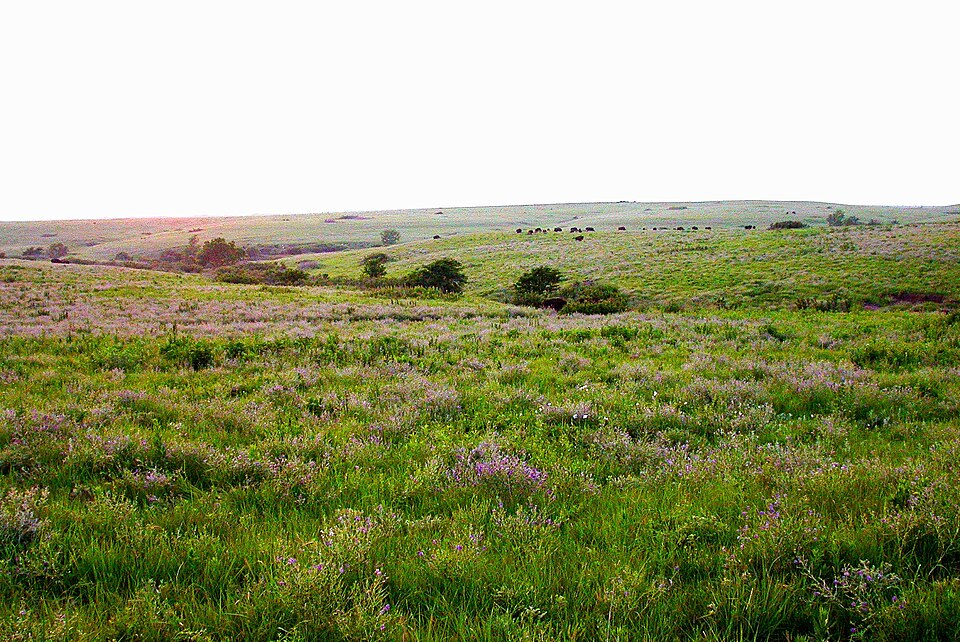
.jpg)
$3,200 an acre is the average for farm real estate here, against $4,500 nationally (NASS, 2026). Pasture averages $2,400.
Land sold for back taxes
Delinquent land is bid off to the county, and the owner has three years to redeem it (two where there are special assessments, one if the property is abandoned). After that the county can foreclose in court and sell it.
What to do: Ask the county treasurer or county counselor when the next tax foreclosure sale is. Because it goes through a court, the sale has a case number, and the file is public.
Source: K.S.A. 79-2401a; K.S.A. 79-2801
Septic before you build
Kansas counties regulate septic systems through their own sanitary codes, and KDHE publishes each county's code.
What to do: Read the county's sanitary code before you make an offer. Minimum lot sizes and setbacks differ from county to county, and a parcel that works in one may not in the next.
Being taxed as a farm
Land devoted to agricultural use is valued on its agricultural income or productivity, not its market value. The county appraiser records each parcel's current use.
What to do: The low tax follows the use. If you will stop haying or grazing it, ask the appraiser what the parcel would be valued at in its new use before you count the current bill as yours.
Source: Kan. Const. art. 11, §12; K.S.A. 79-1476; Kansas Department of Revenue, Agricultural Use FAQ
Old well records
The Kansas Geological Survey keeps the water well completion records that drillers file with KDHE, searchable by county or legal description, with scans of the logs.
What to do: Search by the section and township on the listing's legal description. A row of deep, low-yield wells nearby is worth knowing about before you bid.
Laws change. Check the source before you rely on a date or a deadline, and ask the county office named, because local rules sit on top of these.