Tax-sale land nobody bids on goes to the county's Forfeited Land Commission, which can sell it on ten years' terms.
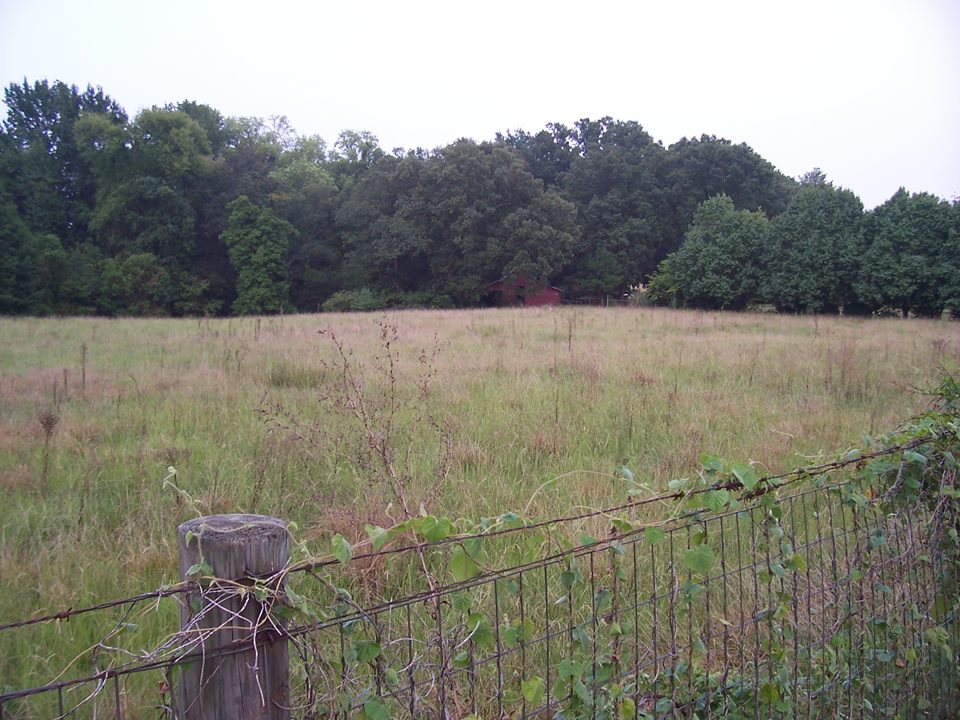

$4,900 an acre is the average for farm real estate here, against $4,500 nationally (NASS, 2026). Pasture averages $4,500.
Land sold for back taxes
The owner, a mortgagee or a judgment creditor can redeem within 12 months of a tax sale by paying the taxes and costs plus interest on the bid: 3 percent in the first three months, rising by 3 each quarter to 12 percent in the last, but never more than the taxes, penalties and costs that were owed. The buyer gets a tax title within 30 days after that, paying for the deed, the stamps and the recording, and after another 12 months the deed can no longer be contested on any ground. Land nobody bids on goes to the county's Forfeited Land Commission, which can sell it on terms of up to ten years, secured by a first mortgage.
What to do: Ask the county for the Forfeited Land Commission's list as well as the tax sale's. A tax deed is not settled until two years after the sale, so get a title opinion before you build.
Source: S.C. Code §§12-51-55, 12-51-90, 12-51-130; S.C. Code §12-59-40
Septic before you build
No septic system goes in without a permit from the Department of Environmental Services, and the county will not issue a building permit without it. The Department looks at the soil on site, not by perc test; its Permit to Construct lasts five years, the work must be done by a licensed installer, and it is inspected before it is covered. The system must be 75 feet from a private well or surface water. Where the soil fails, an engineered system designed by an engineer and a soil scientist costs thousands more, and the Department says plainly that not all property is suitable.
What to do: Apply with the plat or deed before you close, so the soil verdict comes before the money does.
Source: SCDES, Septic Tanks: Before You Buy Land; SCDES, septic permits for a single home
Being taxed as a farm
Land used to raise crops, livestock, plants or trees, grazing and forestry included, is valued for its farm use and assessed at 4 percent of that value when an individual or a partnership owns it. The owner applies in writing to the county assessor by the first penalty date of the first year, and need not apply again while the use and the ownership stay the same. A change of use must be reported within six months, and it brings rollback taxes: the difference for that year and the three before it.
What to do: A new owner has to apply again, so file with the assessor in your first year. Taking the land out of farming brings the rollback with it.
Source: S.C. Code §§12-43-220, 12-43-230
Old well records
A new private well needs a Notice of Intent to the Department of Environmental Services before drilling, and a driller certified in South Carolina. For old wells, the Department's Coastal Plain Water Well Inventory holds more than 14,000, each with its owner, depth and location and some with the driller's log, but only in the Coastal Plain counties, and only a small share of the wells even there.
What to do: In the Coastal Plain, look for wells near the parcel on the inventory's map. Elsewhere, ask the seller for the driller's name and the well's paperwork.
Source: SCDES, Private Drinking Water Wells; SCDES, Coastal Plain Water Well Inventory
Laws change. Check the source before you rely on a date or a deadline, and ask the county office named, because local rules sit on top of these.
South Carolina counties, cheapest farmland first
What farmland and its buildings were worth an acre in each of the 46 counties in the 2022 Census of Agriculture, with the median value of a home. These compare one county with another; they are not the price of any parcel.
| county | Farmland an acre | Median home |
|---|---|---|
| Lee County | $2,655 | $104,600 |
| Marlboro County | $2,752 | $82,000 |
| Dillon County | $2,757 | $85,400 |
| Darlington County | $2,794 | $158,200 |
| Marion County | $2,868 | $93,200 |
| Williamsburg County | $2,941 | $104,500 |
| Georgetown County | $2,960 | $289,500 |
| Allendale County | $2,964 | $76,200 |
| Clarendon County | $3,051 | $158,000 |
| McCormick County | $3,216 | $168,700 |
| Hampton County | $3,227 | $112,000 |
| Berkeley County | $3,279 | $310,300 |
| Orangeburg County | $3,291 | $115,800 |
| Fairfield County | $3,316 | $151,200 |
| Chesterfield County | $3,318 | $116,200 |
| Florence County | $3,382 | $177,900 |
| Calhoun County | $3,395 | $172,100 |
| Greenwood County | $3,514 | $180,500 |
| Bamberg County | $3,550 | $97,800 |
| Sumter County | $3,581 | $165,300 |
| Chester County | $3,702 | $158,300 |
| Barnwell County | $3,749 | $106,000 |
| Colleton County | $3,789 | $162,500 |
| Union County | $3,814 | $103,600 |
| Kershaw County | $3,888 | $217,100 |
| Newberry County | $3,891 | $173,300 |
| Cherokee County | $3,913 | $142,000 |
| Dorchester County | $3,959 | $329,300 |
| Abbeville County | $4,079 | $178,800 |
| Saluda County | $4,440 | $146,500 |
| Beaufort County | $4,461 | $455,600 |
| Jasper County | $4,579 | $325,500 |
| Laurens County | $4,583 | $170,600 |
| Edgefield County | $4,696 | $202,700 |
| Horry County | $4,912 | $287,700 |
| Richland County | $5,124 | $242,800 |
| Lancaster County | $5,224 | $329,900 |
| Aiken County | $5,606 | $218,000 |
| Lexington County | $6,537 | $234,500 |
| Anderson County | $7,011 | $231,900 |
| Oconee County | $7,485 | $237,100 |
| York County | $8,629 | $361,300 |
| Pickens County | $9,117 | $231,900 |
| Spartanburg County | $9,453 | $233,300 |
| Charleston County | $11,100 | $489,100 |
| Greenville County | $12,100 | $299,000 |
Source: USDA, 2022 Census of Agriculture, South Carolina county data; Census Bureau, ACS 2020–2024, table B25077