Counties keep their own tax certificates, and since 2024 must auction tax-deed land within a year.
.jpg)
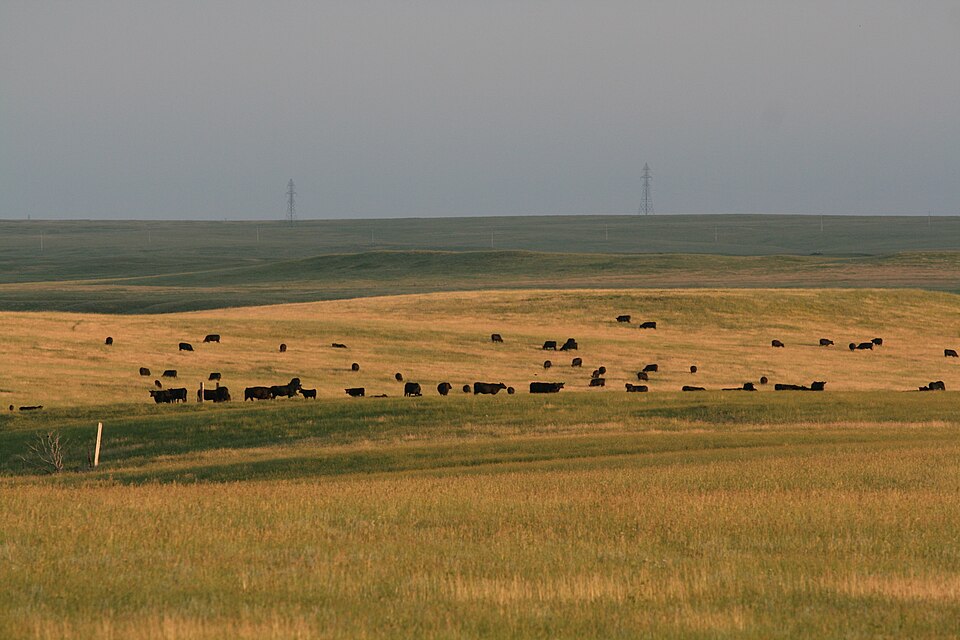
$3,100 an acre is the average for farm real estate here, against $4,500 nationally (NASS, 2026). Pasture averages $1,400.
Land sold for back taxes
Counties hold the tax certificates on delinquent land themselves unless the county commissioners vote to sell them. Anyone can redeem a certificate until a tax deed issues, by paying the taxes plus interest. A tax deed proceeding can begin three years after the certificate sale and must begin within six. Since February 2024 a county that takes land by tax deed must auction it within a year, publishing notice twice, the first at least 30 days ahead, and anything above the taxes and costs goes back to the former owner.
What to do: Watch the county's official newspaper for tax-deed auction notices, which now have to come within a year of the deed. A bidder must be current on their own property taxes.
Source: SDCL 10-23-28.1; SDCL 10-25-1; SDCL 10-25-39.1
Septic before you build
State rules let a conventional septic system be designed and installed to the rule without sending plans to the state. The owner must have a percolation test done before the drain field goes in, and a drain field may not go in soil the USDA rates as severe for wastewater unless a field investigation shows otherwise or the state approves.
What to do: Look the parcel up in the USDA Web Soil Survey and pay for a percolation test before closing. Then ask the county whether it requires a permit of its own.
Source: ARSD 74:53:01:03, 74:53:01:29
Being taxed as a farm
Land counts as agricultural when its main use is farming for profit and it either brought in $2,500 of farm income in three of the last five years or is at least 20 acres (or part of an 80-acre unit). County commissioners can raise that minimum to as much as 160 acres. Agricultural land is assessed on its productivity, and a county may freeze the taxes for five years after a beginning farmer buys farmland.
What to do: Check the county's acreage minimum before you buy a small parcel expecting a farm assessment, and keep records of farm sales: the director of equalization can ask for them.
Source: SDCL 10-6-112; SDCL 10-6-113; SDCL 10-6-127
Old well records
A household well needs no water right permit unless it pumps more than 25,920 gallons a day or 25 gallons a minute. Drillers file a completion report for each well with the state, and the reports are searchable online.
What to do: Search the completion reports near the parcel before you bid. The neighbours' wells tell you how deep you will probably have to drill.
Source: DANR, Using Water in South Dakota; DANR, Water Well Completion Reports
Laws change. Check the source before you rely on a date or a deadline, and ask the county office named, because local rules sit on top of these.