The health department walks the lot before you build, and its answer does not transfer.
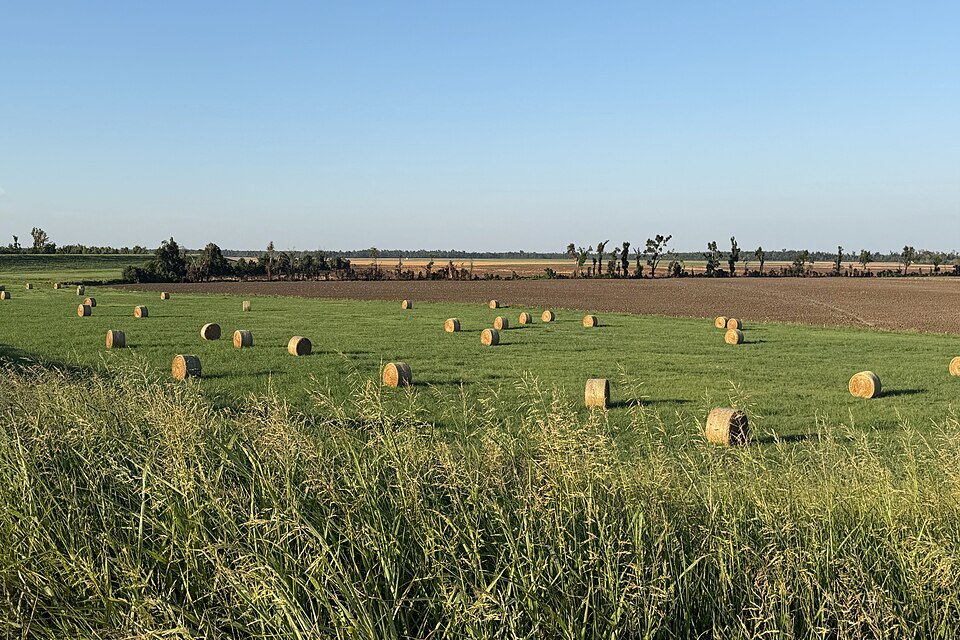

$3,650 an acre is the average for farm real estate here, against $4,500 nationally (NASS, 2026). Pasture averages $3,310.
Land sold for back taxes
Tax sales are held on the last Monday of August. The owner then has two years from the sale to redeem.
What to do: If you are buying privately, check the county's tax-sale records for the parcel. A sale still inside its two years is a cloud on the title you are about to buy.
Septic before you build
Before placing a home that needs a septic system and a new water meter or well, you file a Notice of Intent. A Department of Health environmentalist evaluates the soil and site and issues a Permit/Recommendation, which you need to get a water meter. It is valid for one year, cannot be transferred, and is void if the site is heavily graded.
What to do: Get the evaluation before you buy, in your own name. Do not clear or grade the site until you have it, because grading can void it.
Source: MSDH On-site Wastewater Regulations, Rules 1.5.3–1.5.5; MSDH, On-Site Wastewater
Being taxed as a farm
Agricultural land is appraised on its use as of January 1, by soil type and productivity, with no minimum acreage in the statute. Agricultural use includes growing timber and raising livestock and poultry.
What to do: Timber counts. A wooded parcel can carry the agricultural rate, so ask the assessor how it is classified now rather than assuming woods are taxed at market.
Source: Miss. Code Ann. §27-35-50
Old well records
Licensed drillers must file a driller's log with the Department of Environmental Quality within 30 days of finishing a well.
What to do: Ask MDEQ for the logs on and around the parcel. A well drilled by a licensed contractor should have one.
Source: 11 Miss. Code R. 7-2.9
Laws change. Check the source before you rely on a date or a deadline, and ask the county office named, because local rules sit on top of these.