Ten acres can skip the septic permit, and land sold for taxes can be taken back for two years.
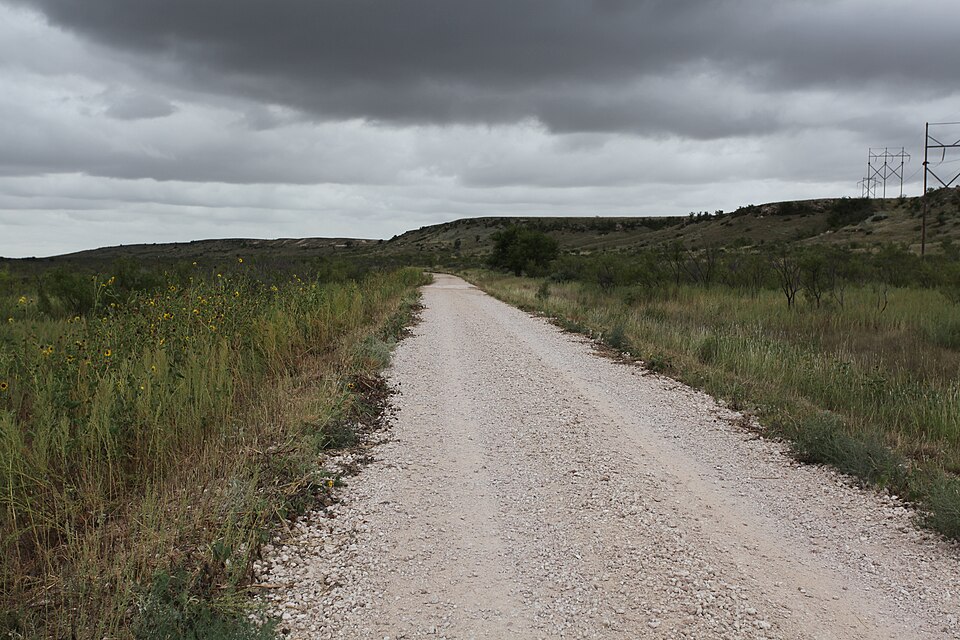

$3,100 an acre is the average for farm real estate here, against $4,500 nationally (NASS, 2026). Pasture averages $2,420.
Land sold for back taxes
Land is sold for taxes after a tax suit, by the sheriff or a constable. If it was a homestead or was approved for agricultural appraisal when the suit was filed, the owner can redeem it for two years after the buyer's deed is recorded, repaying the bid and costs plus 25 percent in the first year or 50 percent in the second. Other land can be redeemed for 180 days, with a premium of no more than 25 percent.
What to do: Find out whether the land was a homestead or had an agricultural appraisal when the suit was filed. That decides whether you wait 180 days or two years before you can count on keeping it, so do not build before then.
Source: Tex. Tax Code §34.21
Septic before you build
A septic system for a single-family home on ten acres or more needs no permit, plans or inspection if it is the only home on the tract, every part of the system is at least 100 feet from the property line, the effluent stays on the property, a licensed site evaluator or engineer has evaluated the site, and the system meets the rest of the state rules. Elsewhere the permit comes from the county's authorized agent or, where there is none, from TCEQ.
What to do: A tract just under ten acres loses the exemption, so go by the survey acreage, not the listing. Even an exempt system has to meet the rules, so the site evaluation is still money well spent.
Being taxed as a farm
Land under open-space agricultural appraisal is taxed on what it produces. It qualifies only if it has been mainly in agricultural use for five of the last seven years. A new owner must file a new application before May 1, and changing the land to another use brings back the tax difference for the three years before the change.
What to do: Ask the appraisal district for the land's use history before you buy, and file before May 1 of your first year. If you change the use of part of it, the three years of tax come due on that part.
Source: Tex. Tax Code §23.51; Tex. Tax Code §23.54; Tex. Tax Code §23.55
Old well records
Licensed drillers report every water well they drill or plug, and the Water Development Board publishes the reports in its Submitted Drillers Reports database, searchable on a map and complete from 2003. Older reports mailed in before it existed are held by TCEQ.
What to do: Search the map around the parcel and its neighbours. If the well is older than the database, ask TCEQ for the paper report.
Source: TWDB, Submitted Drillers Reports database; TWDB, Groundwater Data Viewer
Laws change. Check the source before you rely on a date or a deadline, and ask the county office named, because local rules sit on top of these.